 Canada
  Brazil
  Germany
  France
  Italy
Italy  Switzerland
  Sweden
  Spain
Spain  Great Britain
  Norway
  Russia
  South Africa
  Japan
Japan  New Zealand
  Australia
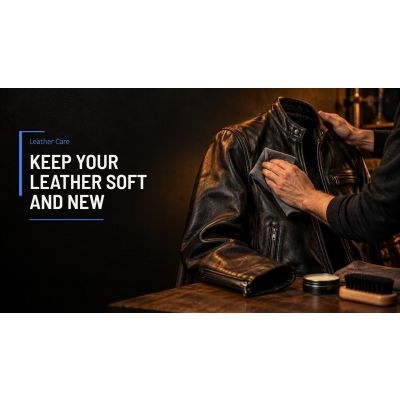
Leather is a durable material when it is looked after. Whether the wardrobe holds a leather jacket, a pair of tailored pants or a handmade blazer, regular care keeps the surface clean and the hide flexible for years.
Unlike synthetic fabrics, leather reacts to dust, body oils, moisture, heat and light. Without sensible maintenance it can dry out, stiffen or lose its surface finish. This guide covers practical care habits, from cleaning and storage to conditioning and the mistakes to avoid.
Key Takeaways
- Brushing or wiping with a dry cloth removes dust and is the gentlest routine step.
- Museum guidance on heritage leather does not directly apply to worn garments: follow the care label or the maker's instructions, and test any product first.
- Light damage to leather is cumulative and cannot be reversed, and heat dries and stiffens it.
- Store on a wide, padded hanger in a breathable cover, away from radiators and sunlight.
- Let wet leather dry slowly at room temperature, and take stains or delicate finishes to a leather specialist.
1. Regular Cleaning: The First Step to Leather Longevity
Leather attracts dust, body oils and environmental residue that can dull its finish over time. Regular cleaning keeps it supple-looking, and conservators recommend starting with the gentlest method: removing surface dust with a soft brush or dry cloth (Canadian Conservation Institute).
How to Clean Your Leather
- Use a soft, dry cloth to remove surface dust weekly.
- For marks, slightly dampen a microfiber cloth with lukewarm water and a few drops of mild soap, and test it on a hidden area first.
- Wipe gently and avoid soaking the leather, since too much moisture can cause stiffness or discoloration.
- After cleaning, pat dry with a soft towel and let the leather air dry naturally.
Avoid products that are not made for leather, and test any cleaner on a hidden area before using it on the whole garment.
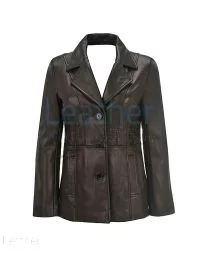
For instance, a piece like the benefits from wiping with a soft, dry cloth after wear to remove dust and handling marks.
2. Conditioning: Follow the Care Label
Leather is a natural material that can dry out and crack over time, especially in fluctuating temperatures or very dry rooms. Conditioners are widely sold for this reason, and museum guidance on them is cautious, but it is written for heritage collections, not worn clothing. Museum conservators avoid dressings on historic objects (NPS Conserve O Gram), while the guidance accepts dressings for personal objects that must still function, such as work boots and gloves. Worn garments are different: follow the care label or the maker's instructions; the right product depends on the finish and construction. The Canadian Conservation Institute says that applying them to collection objects is no longer generally recommended.
In conservation studies, dressings can also darken leather and, over time, produce a waxy bloom on the surface. Follow the care label or the maker's instructions before using any dressing.
How to Condition Carefully
- Choose a conditioner that suits the leather type and finish, and test it on a hidden area.
- Apply a small amount with a soft cloth, working in gentle circular motions.
- Let it absorb for as long as the product instructions say.
- Buff gently with a clean, dry cloth.
Follow the maker's instructions on whether and how often to condition.
3. Protect Leather from Heat and Sunlight
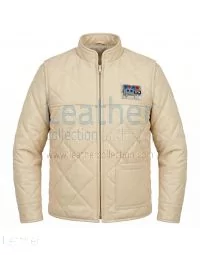
Direct sunlight or heat can cause leather to fade, dry out and stiffen. According to the Canadian Conservation Institute, damage from light is cumulative and irreversible, and dyed leather is far more sensitive to light than unpainted leather. Colored pieces such as the deserve extra shade.
Storage and Use Tips
- Never leave a leather jacket in a hot car or under direct sunlight for long periods.
- Store it in a cool, dry and shaded area, away from radiators.
- If you must dry wet leather, let it air dry at room temperature and never use a heater or hairdryer.
Sunlight and artificial heat can change the texture and tone of leather, and the damage cannot be undone.
4. Polish to Restore Shine
Over time, leather can lose its sheen through exposure to the elements and friction. On finished smooth leather, a light polish can restore some gloss.
How to Polish Leather
- Clean the leather first to remove dust.
- Apply a small amount of leather polish that matches the item's color, and test it on a hidden area.
- Buff with a soft microfiber cloth or a horsehair brush in circular motions.
- Allow it to rest before wearing or storing.
Polish is optional. A clean surface buffed with a soft cloth often brings back much of the shine without any added product.
5. Store Leather the Right Way
Improper storage can cause creasing, fading or mildew. Storing leather correctly is as important as cleaning it.
Proper Storage Tips
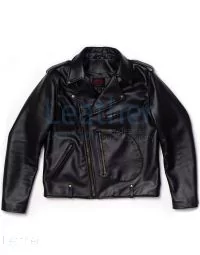
- Use wide, padded hangers to support the shoulders of jackets and blazers, such as the .
- Unless the care label says otherwise, avoid folding leather for long-term storage.
- Cover it with a breathable cotton garment bag.
- Keep it in a cool, dry environment away from sunlight and moisture.
Avoid overcrowding the wardrobe, since tight storage causes pressure creases that can be difficult to remove.
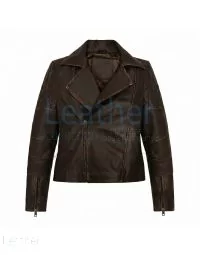
To explore more pieces worth preserving, see the for inspiration on designs.
6. Protect Against Moisture
Water and humidity are among leather's main enemies. When exposed to moisture, leather can stiffen or develop mildew.
If Your Leather Gets Wet
- Blot the excess water gently with a soft towel; do not rub.
- Let it air dry in a well-ventilated room, away from heat.
- Once dry, check whether the leather feels stiff. If it does, check the care label or the maker's instructions on whether a conditioner suits it.
Preventive Tip
A water-repellent leather spray made for the leather type can reduce water spots. Test it on a hidden area first, since it can change the look of some finishes.
7. Handle with Clean Hands
Hands carry oils, lotions and dirt that can transfer to leather, leaving stains or uneven spots, especially on light-colored leather. Wash your hands before handling a jacket, bag or pants.
If you wear leather clothing often, wiping it down after use helps prevent a buildup of sweat and skin oils.
8. Avoid Over-Cleaning
Cleaning leather too often can wear away its finish. Stick to a routine of gentle wiping after use and a deeper clean only when marks are visible.
When leather looks dull or feels dry, check the care steps above before cleaning it again. Over-cleaning can do more harm than good.
9. Use Leather-Friendly Products Only
Not every cleaner is safe for leather. Use products made for the specific leather type, such as smooth leather, suede or nubuck. Avoid household chemicals such as alcohol, acetone or bleach, which can damage the surface and discolor the finish.
Check the garment's care label first and follow it over general advice.
10. Refresh Dull Leather
Even with careful handling, leather can lose some of its shine. Start with the simplest steps.
Simple Shine Restoration
- Brush or wipe off dust with a soft, dry cloth.
- Wipe the surface with a lightly dampened cloth and let it dry.
- Buff gently with a clean, soft cloth.
If the leather still looks dry and stiff after this, check the care label or the maker's instructions on conditioning, as described in section 2.
11. Seek Professional Help for Difficult Problems
Home care keeps leather in good condition, but stains, mildew and delicate finishes call for a specialist. For stains or mildew on a worn garment, ask the maker or a leather cleaning specialist. Museum guidance such as the National Park Service points to professional conservators before solvent cleaning of collection objects, because treatments can damage dyes or leather structure (NPS Conserve O Gram).
A leather specialist can assess the item before treating it, which is safer than trying several products at home.
Final Thoughts: Consistent Care Pays Off
Keeping leather soft and clean does not need much effort, only consistent care, suitable products and proper storage.
By cleaning gently, conditioning as the care label directs and protecting leather from heat, light and moisture, leather garments stay in good condition for years.
Explore the Women's Leather Jackets Collection at Leather Collection to see jackets and blazers made to order.
Frequently Asked Questions
How often should leather be cleaned?
Dust leather with a soft, dry cloth after wear or about once a week. Clean with a lightly dampened cloth only when marks are visible, since over-cleaning can wear away the finish. Follow the care label and test any product on a hidden area before using it on the whole garment.
Do conservators recommend leather conditioners?
Museum conservators are cautious, but their guidance is written for heritage collections, not worn clothing. Museum conservators avoid dressings on historic objects, and in conservation studies dressings can darken leather or cause a waxy bloom, yet the National Park Service guidance accepts them for personal items still in use. For a worn garment, follow the care label or the maker's instructions; the right product depends on the finish.
Can I dry wet leather with a hairdryer?
No. Blot off the excess water with a soft towel and let the leather air dry at room temperature, away from radiators and heaters. Direct heat dries and stiffens leather. Once it is dry, check for stiffness, and follow the care label on whether to condition it.
How should a leather jacket be stored?
Hang it on a wide, padded hanger so the shoulders keep their shape, inside a breathable cotton garment bag. Keep it in a cool, dry place away from sunlight and moisture, and avoid crowding the wardrobe, which causes pressure creases. Unless the care label says otherwise, do not fold leather for long periods.
Written by the Leather Collection Editorial Team.