 Canada
  Brazil
  Germany
  France
  Italy
Italy  Switzerland
  Sweden
  Spain
Spain  Great Britain
  Norway
  Russia
  South Africa
  Japan
Japan  New Zealand
  Australia
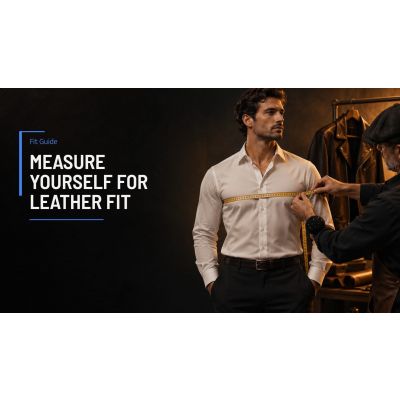
When it comes to clothing, fit is everything. A well-tailored leather jacket or pair of pants shows off the wearer's build, keeps movement comfortable and holds its shape. Getting that fit starts with one step: accurate measurements.
Whether ordering a custom-made leather jacket, pants or vest from Leather Collection or from anyone else, knowing how to measure yourself correctly means the finished garment is cut to the right size. This guide takes you through step-by-step instructions, practical tips and the most important dos and don'ts for taking measurements at home.
Key Takeaways
- Measure over thin clothing or underwear, standing naturally, with a flexible cloth tape.
- Take chest, shoulder, sleeve, waist and back length for jackets, and waist, hips, inseam and thigh for pants.
- Keep the tape level and snug but not tight, and measure twice.
- Leather stretches little, so a wrong measurement shows up in the finished garment.
- Choose the fit style (slim, regular or relaxed) before finalizing the order.
Why Fit Matters in Leather Clothing
Leather doesn't behave like other fabrics: it stretches little and doesn't drape loosely. A leather garment that's too tight can restrict movement, while one that's too loose can look bulky and lose its shape.
A well-fitting leather garment should:
- Contour naturally to the body
- Allow full range of motion
- Look sharp without feeling restrictive
- Keep its structure over time
Leather Collection has made leather clothing since 2009. Each piece, from men's leather pants to jackets and vests, is hand-stitched and made to order from the measurements supplied.
Before You Begin: What You'll Need
To measure yourself accurately, you'll need:
- A flexible measuring tape (cloth type)
- A mirror to check positioning
- A friend's or tailor's help (optional but useful for precision)
- A notepad or phone to record your measurements
Tip: Always measure over thin clothing or underwear, not over bulky garments. Stand naturally, keeping your posture relaxed but straight.
1. How to Measure for a Leather Jacket
A leather jacket should feel snug but comfortable, following the lines of the body without restricting movement. Here is how to get the key measurements right.
Chest
Wrap the measuring tape around the fullest part of your chest, usually right under the armpits and across the shoulder blades. Keep the tape level and snug but not tight.
Pro Tip: Take a deep breath and exhale before recording the measurement to avoid sizing that is too tight.
Shoulders
Measure from one shoulder seam to the other across the back. This measurement determines how the jacket sits across the shoulders and affects the overall structure.
Sleeve Length
With your arm slightly bent, measure from the shoulder point (where the sleeve starts) down to the wrist bone. This puts the sleeve end in the right spot, not too short or too long.
Waist
Measure around the natural waistline, just above the belly button. For jackets, this shows how much the garment should taper at the waist.
Back Length
Measure from the base of the neck (where a shirt collar sits) down to where you want the to end, usually around the hips or just below the waist for bomber and biker styles.
2. How to Measure for Leather Pants
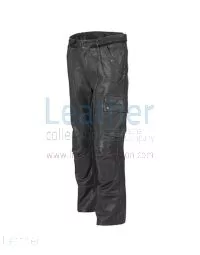
Leather pants, like jackets, demand precision. Too tight, and they feel restrictive; too loose, and they lose their sleek shape. Anyone comparing cuts before measuring can browse .
Waist
Measure at the natural waistline, not the pant line, and keep the tape parallel to the ground.
Hips
Wrap the tape around the fullest part of the hips and buttocks. Keep the tape level and flat for accuracy.
Inseam
Measure from the crotch seam to the bottom of the ankle. This defines the length of the pants. For riding or casual pants, a slightly longer inseam may suit; show one common straight-leg cut.
Thigh
Measure around the thickest part of the thigh, usually a few inches below the crotch.
Knee and Bottom Hem
For a tailored look, measure around the knee and ankle areas. This sets the taper of the leg.
3. How to Measure for Leather Vests and Shirts
For leather vests or shirts, follow the same steps as for jackets (chest, waist, shoulders and back length), but sleeve measurements can often be skipped.
A vest should fit closer to the body, since it is often worn over a shirt. A well-fitted vest keeps a clean line across the upper body while leaving room to move.
4. How to Take Accurate Measurements for Custom Orders
When ordering a custom-made leather garment, precision is key. Even a 1-inch difference can change how the finished garment sits. Follow these practices:
- Measure twice; it is worth the extra minute.
- Keep the tape snug but not tight.
- Stand straight but relaxed, without puffing the chest or pulling in the stomach.
- Ask for help; a second person keeps the tape straight and level.
Because each Leather Collection piece is made to order, the measurements supplied are the basis for the garment, so double-check them before submitting.
5. Common Mistakes to Avoid
Even small errors can lead to fit issues. Here is what to avoid:
- Measuring over thick clothes, which adds extra inches
- Pulling the tape too tight, which restricts comfort
- Guessing or rounding numbers; precision matters
- Ignoring posture, since slouching changes shoulder and length measurements
- Forgetting the arm bend, since straight arms lead to shorter sleeve measurements
Correcting these mistakes can be the difference between an average fit and a garment that sits as intended.
6. Understanding Fit Styles
Leather garments come in different fit styles. Knowing what you want helps guide your measurements.
Slim Fit
Close to the body, with a sharp, modern silhouette. A common choice for fashion-led looks.
Regular Fit
Balances comfort and style, fitting well without feeling tight. Suits everyday wear.
Relaxed Fit
Looser and more casual, with more room in the chest and shoulders. Suits layering or comfort-focused outfits.
Custom orders from Leather Collection let you select your preferred fit style before finalizing your design.
7. Why Custom Measurements Are Worth It
Custom sizing offers:
- Comfort: less pulling, pinching or awkward movement.
- Style: proportions that suit the wearer's frame.
- Wear over time: a better fit puts less strain on seams and leather panels.
- Confidence: a garment cut for your own measurements.
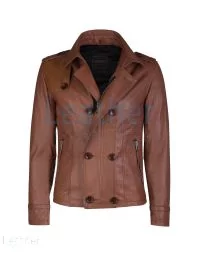
Unlike generic sizing charts, made-to-measure leatherwear is cut from individual measurements, from shoulder width to sleeve length. Examples include and .
8. Tips for Maintaining Fit Over Time
Leather softens with wear and can mold slightly to the body. To maintain the fit:
- Avoid exposing leather to excess heat or moisture.
- Condition it sparingly to keep it supple.
- Hang it on a wide, padded hanger to maintain its shape.
- Avoid folding it for long periods.
Conclusion: Accurate Measurements Come First
A leather jacket or pair of pants is not only about the material; it is also about how well it fits. Measuring yourself correctly helps the garment look, feel and move as intended.
At Leather Collection, every piece, from men's leather pants to jackets and vests, is made to order from the measurements supplied.
By following these measurement steps, the next custom order has a much better chance of fitting well and feeling comfortable. After all, a good fit is not found; it is measured.
Frequently Asked Questions
How snug should a leather jacket fit?
A leather jacket should feel snug but comfortable. It should follow the lines of the body, allow full arm movement and close without strain. Because leather stretches little, a jacket that feels restrictive when new is unlikely to loosen enough to solve the problem.
Should I measure over clothes?
Measure over thin clothing or underwear. Bulky garments add extra inches and lead to a jacket or pants that are too large. If you plan to wear a sweater under a jacket, mention that when choosing the fit style rather than measuring over the sweater.
What if I am between two sizes?
Re-measure with a helper and compare the numbers with the size chart for the chest, waist and sleeve. When the numbers fall between sizes, made-to-measure ordering uses your own measurements instead of a standard size, which removes the need to choose one.
How many times should I measure?
Measure at least twice and record each result. If two readings differ, take a third with the tape level and the posture relaxed. Avoid rounding numbers, since a small error at the chest, shoulder or inseam changes how the finished garment fits.
Written by the Leather Collection Editorial Team.