 Canada
  Brazil
  Germany
  France
  Italy
Italy  Switzerland
  Sweden
  Spain
Spain  Great Britain
  Norway
  Russia
  South Africa
  Japan
Japan  New Zealand
  Australia
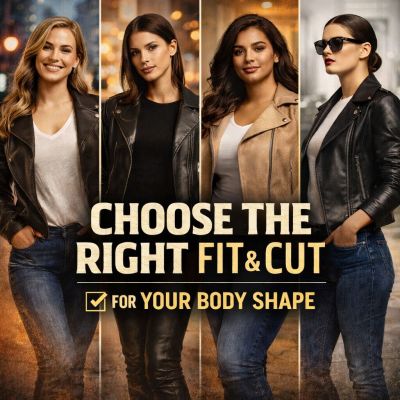
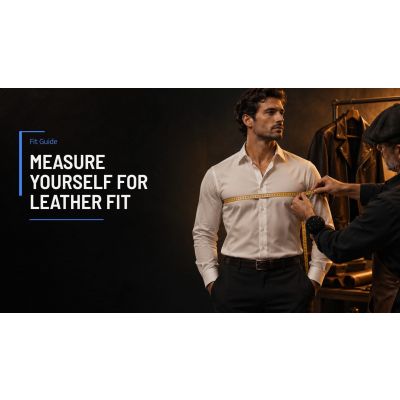
Finding an outfit that works is less about trends and more about understanding proportions. Whether the purchase is a leather jacket, a coat or everyday outerwear, the right fit and cut changes how the garment looks and feels.
This guide covers the main body shapes, the cuts that suit each one, and the fit checks that matter most for leather jackets.
Key Takeaways
- Fit matters more than brand or trend: a well-fitted jacket balances proportions and is comfortable to wear.
- Identify the build first (slim, athletic, average, broad, tall or short), then choose a cut that balances it.
- Check the shoulders, chest, waist, sleeves and length before anything else.
- Leather thickness and softness change how a jacket holds its shape, so consider them together with the cut.
- Custom or tailored jackets are a sensible option when standard sizes do not match your measurements.
Why Fit Matters More Than Brand or Trend
A well-fitted jacket can balance proportions, give a cleaner silhouette and feel comfortable through the day. A poorly fitted one does the opposite, however much it costs. Fit determines how clothing sits on the body's natural structure, so learning what works for a specific build is a useful style skill.
Step One: Know Your Body Shape
Most men and women fall into one of these general categories:
- Slim or lean: narrow shoulders and chest, straight silhouette.
- Athletic: broad shoulders, narrow waist, muscular chest and arms.
- Average: balanced proportions.
- Stocky or broad: wider midsection, thick chest and shoulders, shorter torso or limbs.
- Tall or short frame: height affects proportions as much as width does.
Once the shape is clear, choosing a cut is much easier.
Fits That Suit Each Body Shape
For slim or lean bodies
Goal: add structure and visual weight.
Good choices:
- Structured shoulders
- Biker and bomber jackets
- Slightly padded or layered designs
- Shorter-length jackets
Avoid:
- Overly tight cuts
- Long, loose coats that swamp the frame
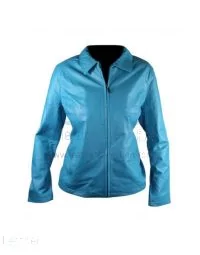
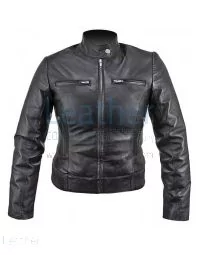
A adds structure to a slim build and gives a sharper outline.
For athletic bodies
Goal: show shape without restricting movement.
Good choices:
- Tapered waist cuts
- Racer and moto jackets
- Slim or tailored fit
- Stretch panels for movement
Avoid:
- Boxy cuts
- Oversized styles that hide the shape
For average builds
Goal: keep things balanced.
Good choices:
- Regular-fit jackets
- Mid-length coats
- Classic biker or casual leather styles
Avoid:
- Extreme skinny fits
- Very baggy clothing
For stocky or broad builds
Goal: create vertical lines and structure.
Good choices:
- Straight-cut jackets
- Minimal detailing
- Dark colors
- Mid-thigh or hip-length styles
Avoid:
- Bulky padding
- Short, tight jackets
- Horizontal stripes or busy patterns
Simple, structured designs keep the outline clean. Wearers who need extra room in the chest and length can look at the .
For tall frames
Goal: balance long proportions.
Good choices:
- Longer jackets
- Trench-style leather coats
- Layer-friendly cuts
Avoid:
- Cropped jackets that exaggerate height
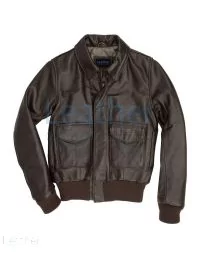
A is one way to add length without losing structure.
For short frames
Goal: create length.
Good choices:
- Short jackets
- High-waisted cuts
- Clean vertical lines
Avoid:
- Long coats
- Dropped shoulders
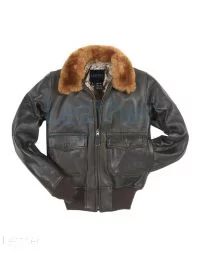
A is a good reference point for the shorter lengths described above.
Key Fit Areas to Check
Shoulders
The seam should sit on the edge of the shoulder. If it is too wide the jacket looks sloppy, and if it is too tight it restricts movement.
Chest
The jacket should zip or button without pulling.
Waist
It should lightly shape the body, not squeeze it.
Sleeves
They should end at the wrist bone. Too long looks untidy, too short looks awkward.
Length
Most jackets should end around the hip bone unless they are designed longer.
Choosing a Leather Jacket for Your Shape
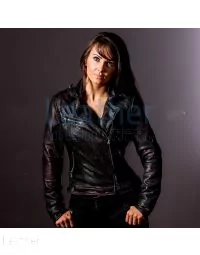
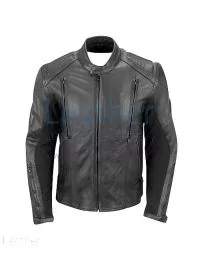
A good leather jacket combines cut, material and structure. The classic motorcycle jacket is one of the most versatile styles because it has strong shoulders, a balanced length and a structured fit, which works for slim, average and athletic builds.
How Leather Type Affects Fit
Thicker leather holds its shape better and adds structure to slim bodies, but can feel heavy on smaller frames. Softer leather molds to the body, suits tailored looks and works well for athletic and slim builds. Stretch panels increase comfort and help muscular builds.
Common Fit Mistakes
The usual errors are buying too tight for style, ignoring the shoulder fit, choosing a length without considering height and wearing an oversized jacket to hide the body shape. A good fit feels comfortable and looks intentional.
Custom Fit vs Ready-Made
If standard sizing does not match your body, a custom or tailored jacket is worth considering. Options such as are made to order from measurements, with benefits that include:
- Accurate shoulder placement
- The right sleeve length
- Balanced proportions
- Long-term comfort
Ready-made works well for average builds, and tailoring can improve almost any jacket.
Explore Styles That Fit You
To compare jackets in different fits and styles, browse the . You will find:
- Biker jackets
- Racer styles
- Casual leather jackets
- Long leather coats
Final Thoughts: Fit Comes First
The right cut does not change who you are; it shows the wearer to advantage. Knowing the body shape, cut, length and structure removes most of the guesswork, so put fit before trend.
Frequently Asked Questions
How do I know which jacket cut suits my body shape?
Start by identifying your build: slim, athletic, average, broad, tall or short. Slim builds suit structured, shorter cuts, athletic builds suit tapered styles, and broad builds suit straight, dark and minimal designs. Then check shoulders, chest, waist, sleeves and length.
Where should a leather jacket sit on the shoulders?
The shoulder seam should sit on the edge of the shoulder. A seam that hangs past the edge looks oversized, and one that sits inside it restricts movement. This is the most important fit check, because the shoulders are the hardest part of a jacket to alter.
How long should a leather jacket sleeve be?
Sleeves should end at the wrist bone. If they are longer, the jacket looks untidy, and if they are shorter, the cuff looks awkward. Sleeve length is also worth checking with arms bent, since leather jackets can ride up in a riding or driving position.
Is a custom leather jacket worth it for an unusual build?
It can be. If standard sizes do not match your shoulders, chest or height, a made-to-measure jacket gives accurate proportions and long-term comfort. Ready-made jackets work for most average builds, and tailoring can improve the fit of many others.
Written by the Leather Collection Editorial Team.