 Canada
  Brazil
  Germany
  France
  Italy
Italy  Switzerland
  Sweden
  Spain
Spain  Great Britain
  Norway
  Russia
  South Africa
  Japan
Japan  New Zealand
  Australia
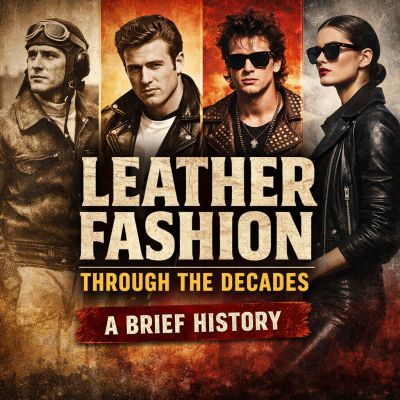
Leather has always been more than a material. It stands for strength, rebellion, glamour and personal identity, sometimes all at once. This history walks through leather fashion by era, using documented milestones, to show how a protective material became one of the most recognizable parts of the wardrobe.
Key Takeaways
- Leather making has been practiced for more than 7,000 years; leather clothing began as a practical material.
- The Perfecto, introduced in 1928, is credited as the first leather motorcycle jacket of its kind and the first with zippers.
- The Wild One (1953) turned the black leather jacket into a symbol of rebellion for young wearers.
- Punk, film and designers kept reinventing the jacket in the 1970s and 1980s, which is why it still reads as current.
To see modern classics in this tradition, browse the collection here:
Before Fashion: Leather as Workwear and Protection
Leather making has been practiced for more than 7,000 years, according to Wikipedia. For most of that time leather was chosen for what it did, not how it looked. Boots, belts and outerwear resisted wind, dust and wear better than most fabrics, and leather coats were practical tools for workers, travelers and anyone exposed to harsh conditions.
That function built leather's reputation as tough, long-lasting and protective, and that practical history is why leather jackets are still associated with toughness.
1920s to 1940s: Motorcycles, Aviation and Wartime
In 1928 Irving Schott introduced the Perfecto, which Wikipedia describes as the first leather motorcycle jacket of its style, and the first with zippers. Its asymmetrical front and heavy leather were built around riding, and it set the template that later biker jackets followed. The same lineage runs through the black styles still worn today.
Aviation and war shaped the other great leather jacket family. Per Wikipedia, flight jackets were updated during the Second World War with zippers and sheepskin insulation to protect bomber pilots, which is how the bomber jacket got its name. Anyone who wants the silhouette today can order bomber jackets instead of relying on standard sizes.
The 1950s: Rebels, Rock and Roll and Attitude
The 1950s changed leather fashion for good. Marlon Brando wore a Perfecto-style jacket in The Wild One in 1953, bringing outlaw biker culture into public view and, according to Wikipedia, solidifying the rebellious connotations of the leather jacket. The film has been credited as a major factor in leather's adoption by American youth, and celebrities such as James Dean and Elvis Presley took the jacket up soon afterward.
Zippers, belts and sharper lines became shorthand for the biker look. Leather was no longer only worn for protection; it carried a message of independence and edge.
The 1960s: From Biker Culture to the Mainstream
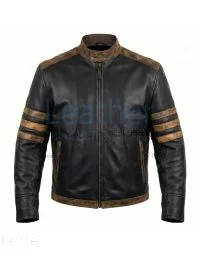
In the 1960s leather moved beyond the biker image. The Beatles wore it, and women began to appear in leather on screen: the British series The Avengers dressed Honor Blackman in leather outfits that, according to Wikipedia, were chosen for their durability while filming fight scenes, likely the first time such garments appeared on women on television. Today the same idea continues in .
The 1970s: Punk, Studs and Individual Style
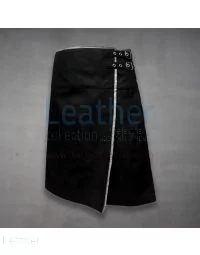
The 1970s made leather louder and more personal. Punk developed the leather "battle jacket", decorated with studs and safety pins, and bands such as the Ramones and the Sex Pistols helped spread it. Rock-influenced fashion paired leather jackets with on stage and on the street, and customization became part of the look.
The 1980s: Designers Take Over
By the 1980s fashion designers had adopted the biker jacket. Jean Paul Gaultier is among those who created their own variations, which moved the jacket from the garage to the runway. Leather also appeared more often in music videos and film, strengthening its link with performance and attitude.
The 1990s to Today: Cleaner Lines and Closer Attention to Fit
In more recent decades the conversation around leather has shifted toward simpler cuts, fit and how long a garment lasts. Clean coats, plain and understated pieces sit alongside the biker and bomber classics. Streetwear and everyday dressing adopted a simple leather jacket over a plain shirt as a standard look.
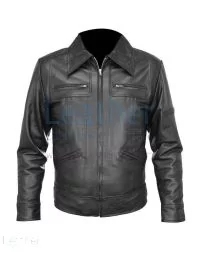
Questions about sourcing and sustainability have also become part of how buyers judge leather. Many now look for a garment that is well made, fits properly and can be worn for years, rather than one that follows a single season. A style like a fits that preference for a plain, versatile cut.
What the History Means for Buying a Jacket Today
Each era left a silhouette that is still available: the biker jacket from motorcycle culture, the bomber from flight gear, the shirt jacket from workwear and minimalism. Choosing between them comes down to use. A rider needs protective equipment and a cut that works on the bike; a city wearer can prioritize drape and weight. In every case the fit through the shoulders and sleeves, the stitching and the choice of leather are worth checking as well as the label.
Final Thoughts: Why Leather History Still Matters
Leather has outlasted trend cycles because it has taken on a new meaning in each era: protection, identity, rebellion, glamour and individuality. A leather jacket is rarely just another jacket. It connects the wearer to a long story and gets its own marks with use.
Frequently Asked Questions
When was the first leather motorcycle jacket made?
According to Wikipedia, Irving Schott introduced the Perfecto in 1928, describing it as the first leather motorcycle jacket of its style and the first with zippers. It was designed around riding, with an asymmetrical front and heavy leather, and its design became the basis for later biker jackets.
Which film made the black leather jacket a symbol of rebellion?
The Wild One, released in 1953, with Marlon Brando in a Perfecto-style jacket. According to Wikipedia, the film brought outlaw biker culture into public view and has been credited as a major factor in the adoption of leather jackets by American youth.
Why is the bomber jacket made from leather and sheepskin?
Flight jackets were updated during the Second World War with zippers and sheepskin insulation to protect bomber pilots in cold, high-altitude conditions. The leather outer resisted wind, and the sheepskin supplied warmth, which is the origin of the bomber jacket style still worn today.
How did punk change leather fashion?
In the 1970s punk developed the leather battle jacket, decorated with studs and safety pins, and bands such as the Ramones and Sex Pistols adopted leather jackets. This made customization part of leather fashion and showed that a jacket could be altered to express identity.
Written by the Leather Collection Editorial Team.