 Canada
  Brazil
  Germany
  France
  Italy
Italy  Switzerland
  Sweden
  Spain
Spain  Great Britain
  Norway
  Russia
  South Africa
  Japan
Japan  New Zealand
  Australia

Sustainability is a common question for anyone buying leather. The material is a by-product of the meat industry, but its environmental impact depends on how hides are tanned and how long the finished garment stays in use. This guide explains what sustainable leather means, what certification covers and what it does not, and how to extend the life of a leather piece.
Key Takeaways
- Leather is described by the Leather Working Group as a by-product of the meat industry, so hides come from animals raised for food.
- A major part of leather's chemical use comes from tanning, which is why tannery standards and wastewater treatment matter.
- The LWG audit assesses tanneries (water, energy, chemicals, effluent) but does not assess farms or animal welfare.
- A leather garment that is cared for and repaired stays in use longer, which reduces replacement.
What Sustainable Leather Means
There is no single legal definition. In practice, sustainable leather refers to hides processed by tanneries that control chemicals, treat wastewater and track where the raw material comes from, made into garments that stay in use for years. Four points matter most:
- How the tannery manages water, energy and chemicals
- Whether raw hides can be traced back to the slaughterhouse
- How well the garment is constructed and whether it can be repaired
- How long the owner keeps and uses it
Why Leather Is Called a By-Product
The Leather Working Group states that today's leather is still a by-product of the meat industry. The hides come from animals raised for food, so using them gives a usable material a second purpose instead of sending it to waste. This does not make every hide equal: sourcing region, tanning method and finishing all change the footprint of the final garment.
Tanning and Certification
Tanning involves a major part of the chemical use in leather production. Chrome tanning is the dominant method today, and trivalent chromium is much less toxic than hexavalent chromium, which is why tannery chemical control and effluent treatment matter. Vegetable tanning uses plant-based tannins and is the older method, though it holds a smaller share of production.
The LWG environmental audit is among the most widely cited tannery standards. It covers areas such as water and energy use, chemical management, waste and effluent treatment, and health and safety. It follows leather from raw hide to finished leather and assesses manufacturing sites only: it does not assess farms or slaughterhouses, and it does not evaluate animal welfare. Buyers who care about tannery standards can ask a maker whether the leather comes from an audited tannery.
Leather Compared With Synthetic Alternatives
Faux leather is usually a polyurethane or vinyl coating applied to a textile backing. These are plastics, so a fair comparison looks at the whole life of the garment, not only the material: how it is made, how long it is worn and what happens when it is replaced. Neither material is automatically the sustainable choice.
Made to Order and Hand-Stitched Production
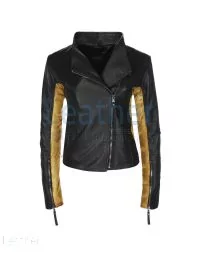
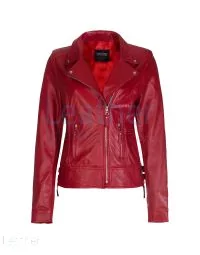
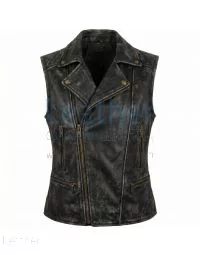
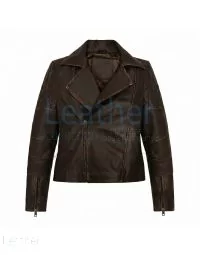
Leather Collection has made hand-stitched leather clothing to order since 2009. Producing to order is one way to avoid unsold stock, and made-to-measure options such as the allow a garment to be cut to the wearer instead of being altered later. Examples from the women's range include and the . Browse the leather clothing category for more styles.
How to Make Leather Last Longer
Store it properly
Hang leather on a wide, padded hanger and keep it away from damp areas.
Condition it
Follow the care label or the maker's instructions; the right conditioner, if any, depends on the leather's finish and construction.
Clean gently
Clean as the care label directs; the right method depends on the finish.
Repair instead of replacing
Minor tears, linings and zippers can often be repaired, which keeps a garment in use.
Questions to Ask Before Buying
- Which type of leather is used, and where was it tanned?
- Is the tannery audited under a standard such as LWG?
- Is the garment constructed to be repaired, and can it be made to fit?
- Is the style one that will stay in use for many seasons?
Frequently Asked Questions
Is leather a by-product of the meat industry?
The Leather Working Group describes today's leather as a by-product of the meat industry. Hides come from animals raised mainly for food. That does not decide the environmental impact of a given garment, because tanning method, chemical management and how long the garment is worn also matter.
Does LWG certification cover animal welfare?
No. The LWG environmental audit assesses tanneries, covering areas such as water and energy use, chemical management and effluent treatment. It follows leather from raw hide to finished leather, does not assess farms or slaughterhouses, and does not evaluate animal welfare directly.
Is faux leather more sustainable than real leather?
Not automatically. Faux leather is usually a polyurethane or vinyl coating on a textile backing, which means it is plastic-based. Real leather has tanning impacts. A fair comparison considers production, how long the garment is worn, and how it is cared for and repaired.
How can leather clothing be made to last longer?
Store it on a wide padded hanger away from damp, condition it when it feels dry, clean it gently with a damp cloth and fix small tears or zippers early. Regular care keeps the leather supple and reduces the need to replace the garment.
Written by the Leather Collection Editorial Team.