 Canada
  Brazil
  Germany
  France
  Italy
Italy  Switzerland
  Sweden
  Spain
Spain  Great Britain
  Norway
  Russia
  South Africa
  Japan
Japan  New Zealand
  Australia
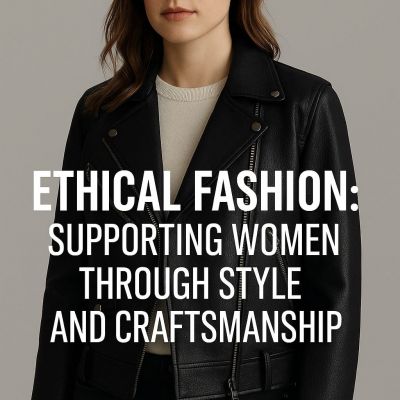
Ethical fashion asks where a garment comes from, who made it and how long it will be worn. For leather clothing the answers depend on sourcing, tanning, production and care, and the honest picture includes both strengths and trade-offs. This guide sets out what ethical leather clothing means for women and what to look for.
Key Takeaways
- Ethical leather clothing is judged on sourcing, tanning, working conditions and how long a garment stays in use.
- Chrome tanning is the most common method and produces wastewater that needs treatment, so tannery standards matter.
- Third-party schemes such as the Leather Working Group audit tanneries on environmental, social and traceability criteria.
- A well-fitting, repairable jacket worn for years is the main sustainability argument for leather.
- Made-to-order and custom-fit production can reduce unsold stock.
What Ethical Fashion Means
Ethical fashion covers more than materials. It includes fair treatment and safe conditions for the people who make clothing, responsible use of water and chemicals, transparency about the supply chain and garments that stay in use rather than being replaced each season. For women shopping for leather, two questions matter most: does the garment fit the way the wearer actually needs, and is the maker open about how it is produced?
Browse the full range of to see the styles discussed below.
Fit as an Ethical Question
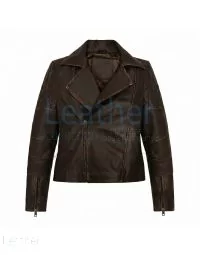
Standard size runs often cover a narrow set of body shapes, which leads to returns, unworn garments and replacement purchases. Custom sizing addresses the cause: patterns are adjusted to the wearer's measurements, so the jacket or coat is cut for her rather than altered afterward. At Leather Collection, made-to-order garments are hand-stitched, and the custom range includes options such as the and the for riders and city wear alike.
Understanding Leather Sourcing and Tanning
Leather is made from animal hides, so any claim about ethics has to address where the hides come from and how they are processed. Chrome tanning is the most common modern method; it is fast and suited to industrial scale, but one ton of hide can produce 20 to 80 cubic metres of wastewater that carries chromium and other chemicals (Wikipedia: Leather). Treatment of that effluent is therefore a central environmental issue for any tannery.
Independent schemes exist to check this. The Leather Working Group is a not-for-profit multi-stakeholder organization whose audit standard assesses tanneries on environmental impact and chemical management, animal welfare, social responsibility and traceability (Leather Working Group). Asking a maker which standards its tanneries meet is a practical question for any buyer.
Longevity, Repair and Waste
The strongest sustainability argument for leather is use over time. Well-made leather garments can stay in use for many years with care; lifespan depends on the hide, tanning, construction and use. It can be conditioned, re-stitched and relined, which keeps a good jacket in use long after a fast-fashion piece is discarded. The practical rule is simple: buy fewer pieces, choose a fit that will not need replacing and maintain them.
Made-to-order production can reduce unsold stock, because garments are produced against an order.
Choosing Pieces for Everyday Wear
Ethical choices still need to be wearable. A few examples of how women use leather across a wardrobe:
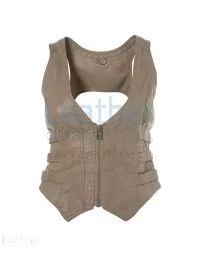
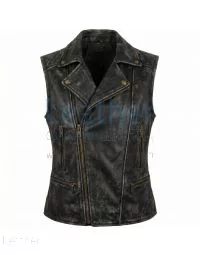
- Everyday layering: the over a tee and jeans, or a for a lighter layer.
- Travel: a longer cut such as the covers more of the body and layers over knitwear.
- Riding: leather riding gear is graded under EN 17092 for garments, and women's motorcycle jackets should be compared on their armor and abrasion class, not only on style.
- Statement pieces: explore for a texture-led look.
Questions to Ask Before Buying
A short checklist makes ethical shopping manageable: where was the leather tanned and is the tannery independently audited; is the garment made to order or in bulk; can it be altered, repaired or relined; and does the maker state specifics rather than slogans? Vague claims about being green or fair are a prompt to ask for detail.
No single label settles the question, and leather remains a contested material. The useful approach is to weigh sourcing and tannery standards, fit, repairability and years of use together.
Frequently Asked Questions
Can leather clothing be ethical?
It can be when the whole chain is considered: hides sourced as a by-product or from traceable suppliers, tanneries audited against environmental and social standards, fair working conditions, and a garment made to be repaired and worn for years. The material alone does not settle it, so buyers should look for specifics from the maker.
What is the Leather Working Group?
The Leather Working Group is a not-for-profit multi-stakeholder organization whose audit standard assesses tanneries and other supply-chain actors. Its criteria include environmental impact and chemical management, animal welfare, social responsibility and traceability. Brands use it to check the tannery stage of leather production.
Why does custom fit matter for sustainability?
A garment that fits correctly is worn more often and for longer, which cuts replacement purchases and returns. Custom sizing adjusts the pattern to the wearer's measurements instead of relying on a fixed size run, and a made-to-order approach produces garments against orders rather than for stock.
How long does leather clothing last?
Well-made leather can stay in use for many years with care, though the exact life depends on the hide, the tanning, the construction and how it is worn. It can often be repaired, and following the care label helps it last.
Written by the Leather Collection Editorial Team.