 Canada
  Brazil
  Germany
  France
  Italy
Italy  Switzerland
  Sweden
  Spain
Spain  Great Britain
  Norway
  Russia
  South Africa
  Japan
Japan  New Zealand
  Australia

Custom leather clothing is made one garment at a time, from a conversation about the design to the final inspection. This guide follows the typical steps for a made-to-measure leather jacket, pants, skirt or dress, so it is clear what each stage involves and why fit and materials are settled before any leather is cut.
Key Takeaways
- A custom garment starts with design choices and leather selection, followed by detailed body measurements.
- A paper pattern is drafted from the measurements, and a test garment (toile) may be used to check fit on complex designs.
- Each hide is inspected, the panels are cut to the pattern, and the garment is stitched, fitted with hardware and lined.
- Finishing and a final inspection close the process, and steps can vary by garment type.
Step 1: The Consultation
Every custom garment begins with a conversation about what is wanted. This stage settles the design before any material is touched.
Typical decisions include:
- The garment: A classic biker jacket, a leather blazer, a skirt or something else entirely.
- Design elements: Collar style, pocket placement, zipper type, cuff design and stitching preferences.
- The leather: The choice of leather shapes how the garment looks, drapes and wears.
The main leather types differ in character.
- Lambskin: Soft and lightweight, with a smooth drape, often chosen for jackets and dresses.
- Cowhide: Thicker and firmer, often chosen for biker jackets and heavy-duty clothing.
- Goatskin: A pebbled grain, lighter than cowhide and widely used for versatile garments.
- Suede and nubuck: A napped finish with a velvety surface, suited to a more casual look.
Color and finish come next, from classic black and brown to colored or custom-dyed options, and from matte to glossy. The lining also affects comfort, with common choices including cotton, satin and insulated linings for colder weather. Settling these points early helps keep every later step consistent with the design.
Step 2: Precise Measurements
Once the design is settled, body measurements are taken. Unlike ready-to-wear sizing, a custom piece is cut to the wearer’s own proportions. A jacket typically needs:
- Shoulder width
- Chest or bust circumference
- Waist and hip measurements
- Sleeve length
- Back length
- Armhole depth
- Collar circumference
Pants and skirts add inseam, outseam, rise and thigh circumference. These numbers are the blueprint for the pattern, so careful measuring is the most useful thing a customer can do for the final fit.
Step 3: Pattern Creation
With the design and measurements agreed, a pattern maker turns the sketches and numbers into a template.
- Initial draft: A paper pattern is drafted from the measurements and the chosen design, with every seam, dart and panel planned.
- Toile or muslin (optional): For complex designs or specific fit concerns, a test garment in inexpensive fabric can be made. It allows fit, drape and proportions to be checked before any leather is cut, and adjustments are made at this stage.
The finished pattern is the template the leather will be cut from.
Step 4: Leather Selection and Cutting
This is where the raw material is turned into panels.
- Inspection: Each hide is checked for natural variations such as scars or changes in grain. The layout is planned so the cleanest areas fall on prominent parts of the garment and waste is kept low.
- Cutting: Panels are cut from the pattern, taking into account the direction of the grain and the stretch of the leather, so the finished garment looks even.
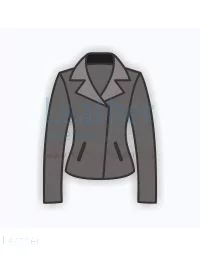
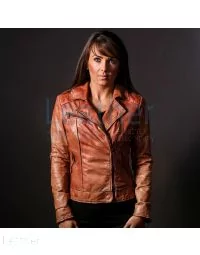
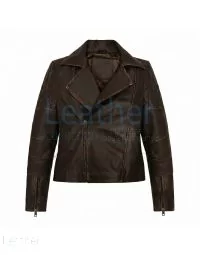
For a classic piece such as the , this step has a direct effect on the way the finished garment looks and feels.
Step 5: Assembly and Stitching
With the panels cut, the garment takes shape.
- Preparation: Edges may be skived (thinned) to reduce bulk at the seams, and the positions for zippers and pockets are prepared.
- First stitching: Major panels are joined on industrial machines made for leather, using suitable needles and heavy thread.
- Hardware: Zippers, snaps, buttons and buckles are added. They are chosen to suit the design and the way the garment will be used.
- Lining: The inner lining is cut and sewn, then fitted into the shell so it lies smoothly without pulling or bunching.
- Seam checks: Seam allowances, evenness of stitching and overall structure are checked throughout.
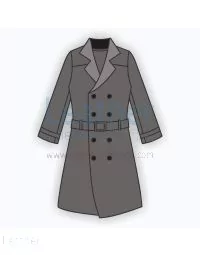
Stitched designs vary widely. A , a and a all follow this stage, with different construction details. Browse the Women’s category for more designs.
Step 6: Finishing
As the garment nears completion, the finishing steps determine how clean it looks.
- Edge finishing: Raw edges are burnished, painted, or folded and stitched, depending on the design.
- Pressing and shaping: The leather is pressed and shaped to remove puckering from stitching and to set the intended form.
- Quality control: Seams, stitches, zippers and buttons are inspected, and any minor imperfections are addressed.
- Cleaning and conditioning: The finished garment is cleaned and conditioned before it is packed.
Why Custom Leather Differs From Ready-to-Wear
The difference is in when decisions are made. In a custom process, the leather, the measurements and the design are fixed first, and the garment is cut and stitched around them. In ready-to-wear, the garment is made to a standard size and the wearer adjusts to it. Custom work can therefore fit specific body proportions, and it allows choices such as lining, hardware and color to be matched to the design.
Frequently Asked Questions
What is a toile and when is it used?
A toile, also called a muslin, is a test version of a garment made in inexpensive fabric. It lets the fit, drape and proportions be checked before any leather is cut. It is usually reserved for complex designs or specific fit concerns, because most simple pattern adjustments can be handled on paper.
Which leather suits a custom biker jacket?
Cowhide is commonly chosen for biker jackets because it is thicker and firmer. Goatskin is lighter, with a pebbled grain, and lambskin is softer and lighter again, with a smoother drape. The right choice depends on the garment, how it will be worn and how much weight and stiffness the wearer prefers.
Which measurements are needed for a custom leather jacket?
A jacket usually needs shoulder width, chest or bust circumference, waist and hip measurements, sleeve length, back length, armhole depth and collar circumference. Pants and skirts add inseam, outseam, rise and thigh circumference. Follow the specific measuring guide for the garment, since requirements vary by design.
What does skiving mean in leather work?
Skiving means thinning the edge of a piece of leather so that seams, folds and hems sit flat. It reduces bulk where several layers meet, for example at collars, cuffs and seams, and it makes stitching and finishing cleaner. It is a standard technique across leather garment making and is usually done before assembly.
Written by the Leather Collection Editorial Team.