 Canada
  Brazil
  Germany
  France
  Italy
Italy  Switzerland
  Sweden
  Spain
Spain  Great Britain
  Norway
  Russia
  South Africa
  Japan
Japan  New Zealand
  Australia

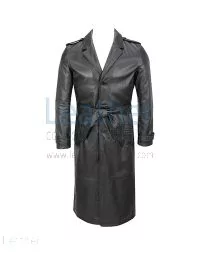
A leather coat is a long-term garment, from a rugged biker jacket to a , and it develops character with wear. When a spill or a stale lining raises the question of the dry cleaner, the answer is more nuanced than a simple yes or no, because leather is a natural material with its own oils and finish.
Key Takeaways
- Dry cleaning uses chemical solvents instead of water, and a cleaner without leather experience can strip the oils that keep leather supple.
- Deep stains, mold or strong lining odor justify a leather specialist rather than a neighborhood dry cleaner.
- Light dust and marks on finished leather can often be handled at home with a barely damp microfiber cloth, after checking the care label.
- Padded hangers and air drying, plus conditioning where the maker's instructions suggest it, reduce the need for heavy cleaning.
The Problem with Standard Dry Cleaning
Dry cleaning is not dry: garments are cleaned in non-aqueous chemical solvents rather than water, and perchloroethylene is still the most common of them in the United States, according to a review in PubMed Central. That suits many fabrics, but leather is a skin that relies on its natural oils to stay supple and resist cracking. Solvents are designed to dissolve grease, so a cleaner without leather experience can strip those oils.
Risks of Using Non-Specialized Cleaners
Loss of natural oils: dried-out leather becomes brittle and can crack or peel.
Color changes: harsh chemicals can affect dyes and finishes, leaving patchy or faded spots.
Texture changes: soft lambskin can come back feeling stiff if the process is not managed correctly.
When Should a Leather Coat Go to a Professional?
Home remedies have limits. If your has a deep-set stain, mold growth or a strong odor in the lining, professional help is necessary. The right choice is a specialist leather cleaner, not a neighborhood dry cleaner.
Choosing the Right Professional
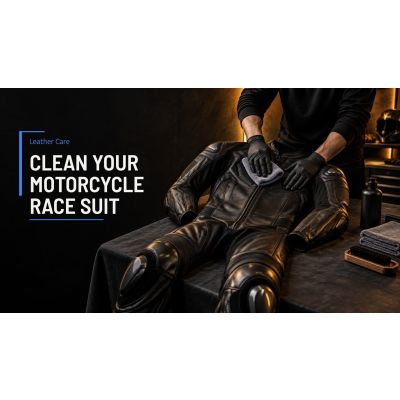
A leather specialist does not rely on a standard dry cleaning machine. The work typically includes:
Re-oiling (fat-liquoring): reintroducing oils into the hide after cleaning to restore suppleness.
Redyeing: touching up pigment if cleaning causes slight color loss.
Lining care: cleaning the interior lining separately from the outer leather.
Home Care That Avoids the Cleaners
The most reliable way to care for a is to prevent the need for heavy cleaning. The care notes below are general: follow the garment's care label or the maker's instructions, because the right method depends on the leather's finish and construction.
Essential Home Care Tips
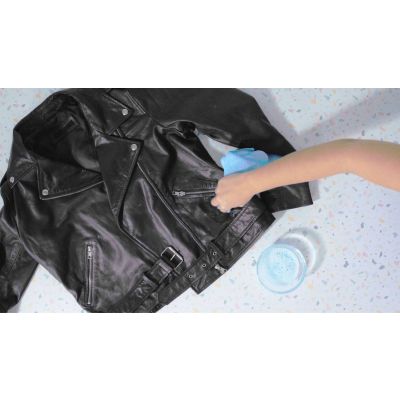
Damp cloth: on finished smooth leather, a soft microfiber cloth, barely damp and blotted gently, can lift dust or light marks. Follow the care label and test a hidden area first; suede and nubuck need a different method.
Grease marks: some owners blot a fresh grease mark and test cornstarch on a hidden area first. Check the care label, and take suede, nubuck or heavily finished coats to a leather specialist.
Air drying: let a damp coat dry naturally in a ventilated room, away from radiators and direct sunlight.
Padded hanger: store the coat on a sturdy, padded hanger with wide shoulders so it keeps its shape.
Conditioning: follow the maker's care label; the right product depends on the finish and construction of the garment.
Final Thoughts
A leather coat can be dry cleaned only by a specialist who understands how animal hides react to solvents. The aim is preservation rather than just cleaning, and routine care plus a careful choice of professional helps the coat stay wearable for years.
Frequently Asked Questions
Can a leather coat be dry cleaned?
Only by a leather specialist. Standard dry cleaning uses chemical solvents designed to dissolve grease, and they can remove the natural oils that keep leather supple. A specialist cleans the coat with a controlled process, then restores oils and, if needed, color. A neighborhood dry cleaner without leather experience is a risk.
How do you remove a grease stain from a leather coat?
Blot any surface oil and check the care label. Some owners test cornstarch on a hidden area first, but powders can leave residue or alter the finish on suede, nubuck, aniline or waxed leather. Suede, nubuck, heavily finished, deep or old stains are better handled by a leather specialist.
How should a wet leather coat be dried?
Follow the care label or the maker's instructions. As general practice, let it air dry naturally on a padded hanger in a ventilated room, away from radiators, hair dryers and direct sunlight. Whether a conditioner is needed afterwards depends on the leather's finish.
Written by the Leather Collection Editorial Team.