 Canada
  Brazil
  Germany
  France
  Italy
Italy  Switzerland
  Sweden
  Spain
Spain  Great Britain
  Norway
  Russia
  South Africa
  Japan
Japan  New Zealand
  Australia
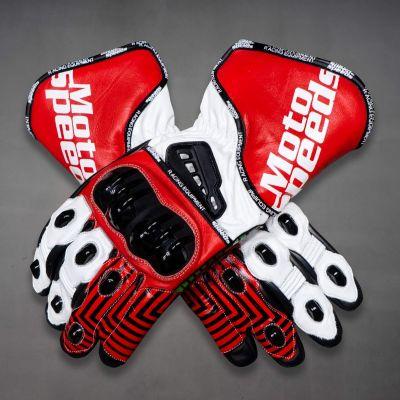
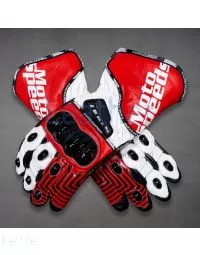
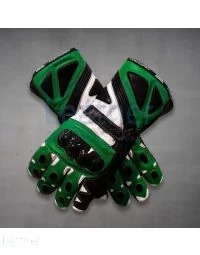
Jonathan Rea won six consecutive Superbike World Championship titles with Kawasaki, the sixth coming at Estoril in October 2020 (Pirelli race report). The is a replica inspired by the gloves worn during that championship year, and this guide explains the season behind it and what to check on any pair of racing gloves.
Key Takeaways
- Jonathan Rea secured his sixth consecutive WorldSBK title in 2020 on a Kawasaki, in a season reduced to eight rounds.
- EN 13594:2015 is the European standard for motorcyclists' gloves and defines Level 1 and Level 2.
- Impact protection testing is required for Level 2 gloves under that standard.
- A replica glove is a styling reference to a rider's gloves; materials and protection details belong on the product page.
The 2020 season behind the replica
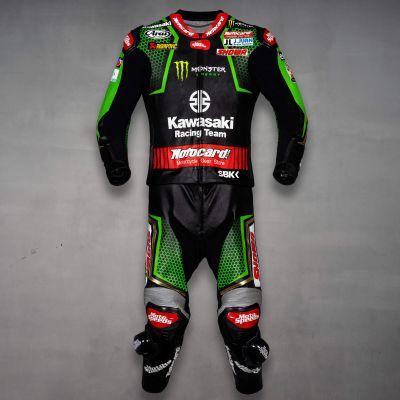
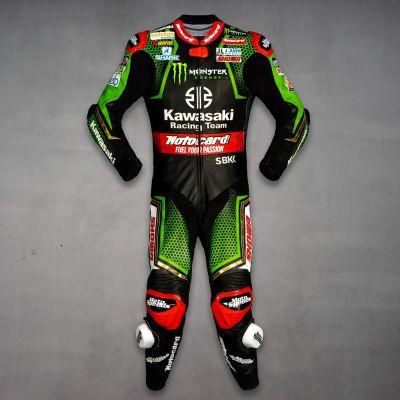
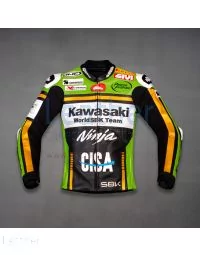
Kawasaki Racing Team lined up Rea and Alex Lowes in 2020, while Ducati's Scott Redding, new to the series, became the closest rival and finished second overall with 305 points to Rea's 360. The pandemic cut the calendar to eight rounds, which made every race weekend count. Lowes, Rea's team-mate that year, is the inspiration for a later Kawasaki design: the follow the same green-and-black theme.
What the standard says about racing gloves
EN 13594:2015 is the European standard for motorcyclists' protective gloves. It defines two performance levels: Level 1 gives reduced protection with more hand flexibility, while Level 2 gives more protection but can add weight and restrict movement. The tests cover seam strength, tear and cut resistance, abrasion resistance measured with an impact abrasion machine, and glove retention, and impact protection testing is mandatory for Level 2 (SATRA guide to motorcyclists' gloves standards).
A replica is a styling reference to what a rider wore, not a statement that the glove carries a certification. Anyone who needs a specific level should look for the marking and documentation listed on the product page.
Features worth checking on any racing glove
- Palm construction: the palm is the first contact point in a slide, so continuous leather with few exposed seams matters more than decoration.
- Knuckle and finger protection: look for a shaped knuckle protector and a bridge linking the little and ring fingers, which limits the fingers being forced apart.
- Wrist retention: a closure that keeps the glove on the hand matters as much as the padding, because a glove that comes off protects nothing.
- Flex zones and ventilation: stretch panels and perforations help with lever control and heat, and they should not leave large areas unprotected.
Kawasaki colors and Rea replica gear
The replica follows Kawasaki's green team colors, and other pieces in the range use the same palette. Riders who follow the champion can browse more covering different seasons. For a green glove without the team branding, the are a separate design.
Sizing and fit
A glove that is too loose bunches under the fingers and reduces feel at the levers, and one that is too tight restricts movement and becomes uncomfortable on long sessions. Measure the hand as the size guide describes, try the cuff with the jacket or suit sleeve it will be worn with, and check that the fingertips do not press against the end of the glove with the hand closed around the grip.
Leather Collection has made hand-stitched, made-to-order leather gear since 2009, and the product page is the place to check materials, armor and sizing details for each replica.
Updated: October 2026
Frequently Asked Questions
Which Jonathan Rea season do these gloves reference?
They are inspired by the gloves Rea wore in 2020, when he won his sixth consecutive WorldSBK title for Kawasaki. The season was shortened to eight rounds because of the pandemic. The product is a replica inspired by that season and is not an official team item.
What does EN 13594 cover?
EN 13594:2015 sets requirements for motorcyclists' protective gloves, including sizing and ergonomics, seam and tear strength, abrasion resistance, glove retention and, for Level 2, impact protection. Level 1 favours flexibility, while Level 2 gives more protection and may add weight and restrict movement.
Should track-day riders choose Level 2 gloves?
Track-day organizers set their own clothing rules, so the organizer is the first point of contact. In general, Level 2 gloves add mandatory impact protection testing compared with Level 1, and SATRA notes that Level 2 gives more protection but may add weight and restrict movement, so fit and feel at the controls still decide whether a glove is comfortable enough to use.
How should racing gloves fit?
Racing gloves should feel snug without squeezing. The fingers should reach the end of the glove without being crushed, the palm should not bunch when the hand grips the bars, and the cuff should close securely over or under the sleeve. Leather also relaxes slightly with wear, so a firm initial fit is normal.
Written by the Leather Collection Editorial Team.