 Canada
  Brazil
  Germany
  France
  Italy
Italy  Switzerland
  Sweden
  Spain
Spain  Great Britain
  Norway
  Russia
  South Africa
  Japan
Japan  New Zealand
  Australia

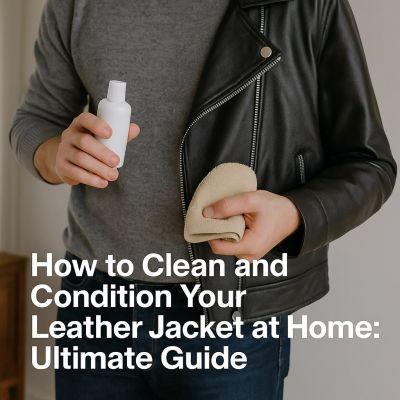
A leather jacket is a long-term purchase, whether it is a classic , a sleek blazer, or a . Genuine leather can age well, but only if it is cared for correctly.
Improper storage, however, can damage leather of any quality. Cracking, fading, and stiffness are common problems when jackets are stored incorrectly. Understanding the right dos and don'ts for leather storage helps keep a jacket soft and supple for years.
This guide from Leather Collection walks you through storing leather jackets, from daily care to long-term storage techniques.
Key Takeaways
- Clean and dry the jacket completely before storing it, and condition lightly only if the leather feels dry.
- Hang it on a wide, padded hanger; folding for long periods causes creases.
- Prefer a breathable cotton or fabric cover to sealed plastic for long storage, especially in humid conditions.
- Store in a cool, dry, dark, ventilated place; museum guidance for collections cites 45-65% relative humidity, which is a benchmark for heritage objects rather than a requirement for a worn jacket.
- Check stored jackets every few months for dryness, mildew and creasing.
Why Proper Storage Matters
Unlike synthetic materials, leather is a natural hide that needs to breathe. It reacts to humidity, sunlight, and even temperature changes. Storing your jacket the wrong way can cause:
Drying and cracking due to a lack of moisture
Fading or discoloration from direct sunlight
Mildew and odor from humidity buildup
Permanent creases from improper folding
Taking a few simple precautions protects the jacket and keeps it in good condition.
Do's: How to Store Leather Jackets the Right Way
1. Clean Before Storing
Before putting your jacket away, make sure it's clean and completely dry. Dust, dirt, and body oils can damage the leather's surface if left untreated.
Wipe with a soft, damp cloth to remove debris.
For deeper cleaning, use a leather-specific cleaner in circular motions.
Let it air dry naturally—avoid using a hair dryer or heat source.
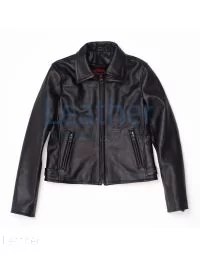
Cleaning is especially important for jackets like the , which often see daily wear and exposure to outdoor elements.
2. Condition the Leather
Whether to condition before storage, and with what, depends on the leather's finish, so follow the care label or the maker's instructions. If the maker advises conditioning, do it lightly. Over-conditioning is a risk as well as under-conditioning.
Apply a small amount with a soft cloth, let it absorb, and then buff lightly for a smooth finish. Avoid over-conditioning, as too much product can clog the pores and make the surface greasy.
3. Hang It Properly—Don't Fold It
One of the biggest mistakes people make is folding leather jackets for long periods. Folding can cause permanent creases and damage the grain. Instead, use a wide, padded hanger that supports the jacket's shoulders evenly.
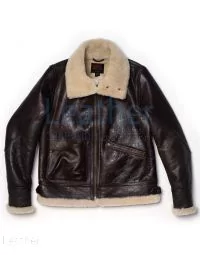
Avoid thin wire hangers, which distort the leather's structure over time. If your jacket is heavy, like a shearling or double-layer design such as the , choose a sturdy wooden hanger for added support. The same goes for , where the lining adds weight.
4. Use a Breathable Garment Bag
Prefer a breathable cover to sealed plastic for long storage, especially in humid conditions, where trapped moisture can encourage mildew. Use a fabric or cotton garment bag instead. These materials allow air circulation while keeping dust and sunlight away.
If you live in a humid climate, consider placing silica gel packets inside the closet to absorb excess moisture.
5. Store in a Cool, Dry, and Dark Place
Leather keeps well in cool, well-ventilated spaces. Guidance from the Western Australian Museum is written for leather objects in heritage collections, not worn clothing, and calls for a clean, well-ventilated environment with relative humidity of 45-65% and a maximum temperature of 77°F (25°C), with dust covers rather than sealed plastic, and notes that humidity above 70% encourages mold growth.
Avoid storing your jacket in basements, attics, or areas exposed to direct sunlight. UV rays can fade color and weaken the fibers. A bedroom closet or wardrobe with good airflow works well.
6. Allow It to Breathe
Even when in storage, your jacket shouldn't be sealed off completely. Leather needs airflow to maintain its texture and freshness. Every few months, take it out, air it for a few hours, and check for signs of dryness or mold.
If it feels stiff, lightly condition it again before returning it to storage.
Don'ts: What to Avoid When Storing Leather Jackets
1. Don't Store When Wet
Water is one of leather's biggest enemies. Storing a damp jacket causes mold, mildew, and unpleasant odors.
If your jacket gets wet, gently blot the moisture using a dry cloth and allow it to air dry naturally—away from direct heat or sunlight. Never hang it near radiators or heaters, as they dry out and crack the leather.
2. Don't Use Plastic or Non-Breathable Covers
Many people store jackets in plastic garment bags or dry-cleaning covers. This traps moisture and prevents airflow, which can destroy the leather's texture.
Opt for cotton or canvas covers, which shield against dust while allowing the leather to breathe.
3. Don't Apply Harsh Chemicals
Use only products suited to the leather and its finish, follow the maker's instructions, and test on a hidden area first.
Check that any shine product suits the leather's finish before using it.
4. Don't Expose It to Direct Sunlight
Sunlight is another silent destroyer of leather. Over time, UV rays cause fading and brittleness. Keep your jacket stored in a dark closet away from windows or skylights.
If you want to display your jacket on a rack, rotate it occasionally to avoid uneven color exposure.
5. Don't Overcrowd Your Closet
Crowded closets press and wrinkle leather jackets, especially if they are squeezed between heavy garments. Allow each coat enough breathing room on the rail to prevent creasing and surface scuffs.
Seasonal Storage Tips
If you wear your leather jacket seasonally, extra care ensures it's ready when cooler weather returns.
Clean it, and follow the care label or maker's instructions on conditioning, before storing.
Hang it on a padded hanger inside a breathable garment bag.
Store it in a dry, shaded place.
Check it every few months for dryness or mildew.
Following the care label and a routine like this helps keep your jacket in wearable condition.
When to Seek Professional Care
If your jacket develops serious mold, deep stains, or discoloration, don't attempt DIY cleaning. Seek help from a professional leather specialist. They have the expertise and products to safely restore your leather without damaging it.
A periodic professional cleaning is also a good way to preserve a jacket's texture and color.
Final Thoughts
A genuine leather jacket can last for years, and proper storage helps it stay in good condition, whether the design is minimalist or bold and detailed.
By following these do's and don'ts, you can prevent cracking, fading, and mildew while maintaining the rich, supple feel that makes leather so special.
If you are looking to expand your collection or replace a well-loved classic, explore at Leather Collection, and look after each piece with the routine above.
Frequently Asked Questions
Should a leather jacket be hung or folded for storage?
Hang it on a wide, padded hanger that supports the shoulders evenly. Folding for long periods can cause permanent creases and damage the grain. For heavy styles such as shearling, use a sturdy wooden hanger. Keep the jacket in a breathable cotton or fabric garment bag so air can circulate and dust stays out.
Is it safe to store a leather jacket in a plastic bag?
No. Plastic traps moisture, which can lead to mildew, odor and mold on leather, and prevents the air circulation leather needs. Use a breathable cotton or canvas cover instead. Silica gel packets in the closet can help absorb excess moisture in humid climates, but the jacket still needs ventilation.
What conditions suit a stored leather jacket?
Cool, dry, dark and ventilated. Museum guidance for collection objects suggests about 45-65% relative humidity and up to 77°F (25°C), which is a benchmark rather than a requirement for a worn jacket; a ventilated closet away from sun is a reasonable approach, with protection from dust. Avoid basements, attics and direct sunlight, which can cause mold, drying and fading. Check stored jackets every few months.
How often should a leather jacket be conditioned?
There is no single schedule. Condition lightly when the leather feels dry or stiff, and before long-term storage, following the care label. Apply a small amount with a soft cloth, let it absorb, and buff. Too much product can clog the surface and leave it greasy, so more is not better.
Written by the Leather Collection Editorial Team.