 Canada
  Brazil
  Germany
  France
  Italy
Italy  Switzerland
  Sweden
  Spain
Spain  Great Britain
  Norway
  Russia
  South Africa
  Japan
Japan  New Zealand
  Australia

To store a leather jacket between seasons, clean off surface dust, let it dry fully if it is damp, hang it on a wide, supportive hanger inside a breathable cover, and keep it somewhere cool, dry and out of direct light. The jacket's own care label and the maker's instructions come first, because the right approach depends on the leather's finish and construction.
Key Takeaways
- Hang a leather jacket on a wide, shaped hanger rather than a thin wire one, so the shoulders keep their form.
- A breathable fabric garment bag is the general practice; sealed plastic can trap moisture.
- Choose a cool, dry, dark spot away from radiators, sunlight and damp walls.
- Follow the care label before using any cleaner or conditioner; products suit some finishes and not others.
- Check the jacket from time to time during storage so any problem is caught early.
Prepare the Jacket Before It Goes Away
Storage problems usually begin with what is left on the jacket when it is put away. Perspiration, rain, dust and food or drink spills all stay in the material. A jacket that went into the cupboard slightly damp is the most common starting point for musty smells and surface spotting.
Dry it naturally
If the jacket got wet at the end of the season, hang it on a shaped hanger at room temperature and let it dry slowly. Strong heat from a radiator or hair dryer can harm some leathers, so slow air drying at room temperature is the cautious choice.
Clean only as the label allows
Wipe off loose dust with a soft, dry cloth, then look over the collar, cuffs and underarms for marks. Empty every pocket, since keys, coins and pens can stretch the leather or leave marks. Whether a cleaner or conditioner is appropriate depends on the finish. Smooth, aniline, waxed, suede and distressed leathers are treated differently, so follow the care label and the maker's guidance rather than applying one product to everything.
It is also worth knowing that conditioning has limits. The U.S. National Park Service, writing about museum collections, notes that researchers found long ago that leather dressings provide no preservative benefit, and describes a white, waxy bloom called fatty acid spew that can form when fatty components migrate to the surface (National Park Service). That guidance is written for heritage collections rather than worn clothing, so it is not a rule for jackets, but it is a reason to treat the jacket only as its maker advises.
Hanging or Folding: Which Suits a Leather Jacket?
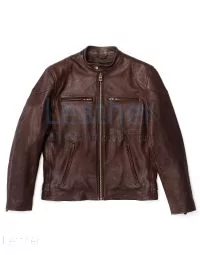
Hanging is the usual choice for a jacket that will sit for several months. A wide, padded or contoured hanger spreads the weight across the shoulders. Thin wire hangers concentrate it on a small area and can dent the shoulder line, which matters most on structured styles such as a .
Folding is a second choice. Leather creases where it is folded, and creases may stay if the jacket remains folded for months. If space demands it, fold loosely and keep nothing heavy on top. Rolling loosely is sometimes used for soft, unstructured jackets, but the garment's care guidance should decide.
Give it room
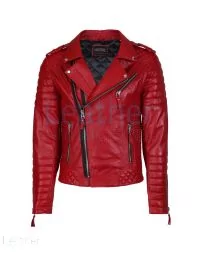
Crowding a wardrobe presses sleeves against other garments and restricts air movement. Leave a little space either side so the jacket hangs freely. Padded or quilted styles, such as a , may need extra support; check the maker's guidance.
Choose the Right Cover and Location
A breathable cotton or other fabric garment bag keeps dust and light off the surface while letting air move. Sealed plastic is generally avoided for long storage because it can hold moisture against the leather; this is common practice rather than a tested rule, so the care label still decides. Museum conservation guidance from the NPS, written for heritage collections, stresses stable humidity and temperature and inert materials for padding and support.
For the location, look for a stable, cool and dry spot. As general practice, an interior wardrobe is a safer choice than a loft, garage or basement, where temperature and humidity can swing more. Keep the jacket away from radiators and windows, since strong heat and sunlight can affect some leathers and dyes. Avoid external walls that sweat in cold weather, and the bottom of a wardrobe where damp air tends to collect.
Special Cases: Linings, Fur and Light Colors
Lined and fur-trimmed jackets
Linings and trims can react differently from the shell. Fur-trimmed jackets, such as those in the range, need an uncrowded spot so the trim is not pressed flat. For any cleaning or treatment of fur or shearling, ask a specialist rather than experimenting at home.
Light and white leather
Pale leathers show dye transfer from darker clothes, so keep them apart in the wardrobe and in their own cover. Dark and light jackets sharing one bag is a common cause of color marks.
Suede and nubuck
Napped surfaces can flatten under pressure and hold dust, and they are treated differently from smooth leather.
Check In During Storage and Bring It Back Into Use
Check the jacket from time to time during storage; how often depends on your storage conditions and the maker's guidance. Open the cover, look for a musty smell, white or green spotting, and any signs of insects, then let the jacket air for a while in a dry room before returning it to storage. A white waxy bloom is not necessarily mold, so if any spotting or a persistent smell appears, ask a leather-care specialist rather than experimenting.
When the season comes back, take the jacket out a day or two before wearing it, let it hang in open air, and check the hardware. Zips, snaps and buttons can stick after months of inactivity. Check the care label before trying to remove any creases.
Frequently Asked Questions
Where should a leather jacket be kept when it is not worn?
In a cool, dry place away from direct sunlight and heat sources, such as an interior wardrobe, hung on a wide, supportive hanger inside a breathable cover. Avoid damp basements, lofts and spots next to radiators. The right choice also depends on the leather and the lining, so follow the garment's care label and the maker's instructions where they differ from this general guidance.
Is it fine to fold a leather jacket for storage?
Folding creates hard creases that can stay visible, especially on thicker hides, so hanging is the usual choice for a jacket that will be stored for months. If space forces folding, fold loosely, avoid heavy items on top, and open it out regularly.
Should a leather jacket be cleaned or treated before storing it?
A quick check is sensible: remove dust, let a damp jacket dry naturally away from heat, and look for stains. Whether any product is suitable depends on the leather's finish and construction, so follow the garment's care label. Museum conservation guidance, written for heritage collections rather than worn clothing, cautions against dressings.
Can a leather jacket be stored in a plastic bag?
Sealed plastic can trap moisture against the leather, so a breathable fabric garment bag is the general practice. If a jacket arrived in plastic packaging, take it out for long-term storage and read any care instructions supplied with the garment.
Written by the Leather Collection Editorial Team.