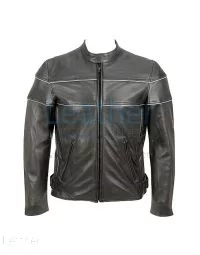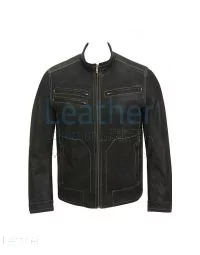
 Canada
  Brazil
  Germany
  France
  Italy
Italy  Switzerland
  Sweden
  Spain
Spain  Great Britain
  Norway
  Russia
  South Africa
  Japan
Japan  New Zealand
  Australia
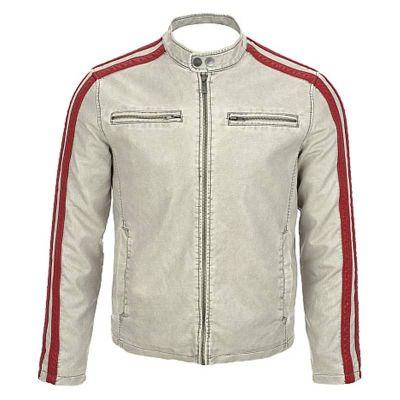
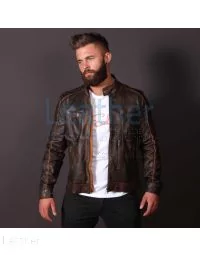
An antique leather jacket is a leather jacket finished to look aged: the surface is distressed and the color slightly uneven, so it appears worn in from the first day. This guide explains what the finish is, how it differs from natural aging, and how to style and look after it. The is one example.
Key Takeaways
- "Antique" describes a distressed finish, not the age of the leather.
- Natural patina develops through use on full-grain leather; a finish only imitates it.
- Classic biker and military cuts are the usual starting points for the style.
- For care, follow the label or the maker's instructions; the right product depends on the finish and construction.
What "Antique" Means in a Leather Jacket
The term refers to an aged, distressed look: darker creases, lighter high points and a surface that looks used. That appearance is created when the jacket is finished, so each piece differs slightly. It is separate from patina, which forms through wear. Full-grain leather keeps the whole grain layer and develops character over time instead of simply wearing out (Wikipedia on leather).
Materials and Construction
Cattle supply most of the world's leather, and sheepskin is notably soft, so a firm cowhide jacket and a softer sheepskin jacket feel quite different. When comparing antique-finish jackets, check these points:
- Leather type: cowhide feels firmer and holds structure; sheepskin drapes more.
- Stitching: even stitch lines at the shoulders, cuffs and pocket corners.
- Hardware: zippers and snaps that run smoothly and match the finish.
- Lining: a lining that suits the climate you wear it in.
Leather also takes shape from the wearer. Over time sleeves and shoulders soften and settle around the body, which is why fit at purchase matters more than expecting the jacket to change size.
How to Style an Antique Leather Jacket
The distressed finish works well with relaxed outfits. Three combinations that work with the style:
- Classic biker: graphic tee, dark jeans and boots. A tan biker cut such as the suits this look.
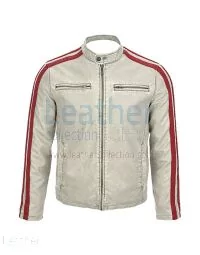
- Casual: over a hoodie or henley with dark denim and sneakers. A style with removable sleeves, like the , adds a second look.
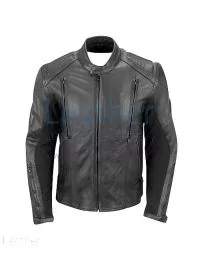
- Smart casual: over a button-down shirt or turtleneck with chinos. A plainer cut such as the keeps the outfit tidy.
More jackets and related clothing are listed in the , and related styles can be found under .
Caring for a Distressed Finish
- Dry a wet jacket naturally, away from radiators and direct sunlight.
- Follow the care label or the maker's instructions; the right cleaner or conditioner depends on the finish and construction, so test any product on a hidden area first.
- Hang it on a wide hanger, not in a tight space.
- Brush off dust and wipe marks with a soft, slightly damp cloth.
Scuffs and creases are part of the look, so repairs usually matter only for tears, loose stitching or failed zippers.
Frequently Asked Questions
Is an antique leather jacket the same as a vintage jacket?
No. A vintage jacket is a genuinely old garment, while an antique-finish jacket is new but finished to look aged. The distressed surface is applied during production, so each jacket starts with the worn-in look instead of earning it over years of wear.
Will an antique leather jacket still change with wear?
It will soften and shape itself to the wearer. Full-grain leather also develops patina through use, although a heavily finished surface may change less visibly. Creases and color variation deepen over time, which is part of why the style suits people who like a lived-in look.
Is an antique leather jacket suitable for motorcycle riding?
Only if it is built for riding. A fashion jacket without armor is not a substitute for motorcycle protective clothing. EN 17092 is the European standard for such garments (SATRA overview), and its higher classes require impact protectors and abrasion resistance, so check the product description for riding-specific features.
How should I clean a distressed leather jacket?
Brush off dust, wipe light marks with a soft damp cloth and let the jacket dry naturally if it gets wet. Follow the care label or the maker's instructions, since the right product depends on the finish, and test any cleaner or conditioner on a hidden area first, because some products darken the finish. Avoid heat sources and soaking.
Written by the Leather Collection Editorial Team.