 Canada
 Brazil
 Germany
 France
 Italy
 Switzerland
 Sweden
 Spain
 Great Britain
 Norway
 Russia
 South Africa
 Japan
 New Zealand
 Australia


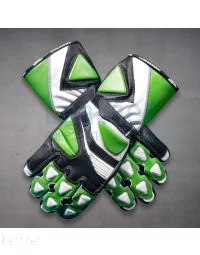
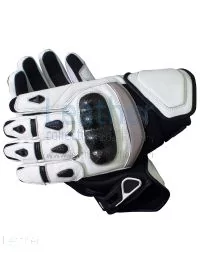
Gloves are protective equipment before they are anything else: they affect control, comfort and how a rider's hands fare in a fall. The from Leather Collection is a racing-styled glove, and this guide covers what to check in any pair of riding gloves before relying on them.
Key Takeaways
- EN 13594 tests gloves for abrasion, cut and tear resistance.
- EN 13594 is the European standard for motorcycle riding gloves; knuckle impact protection is optional at Level 1 and mandatory at Level 2.
- Fit, seam placement and a secure wrist closure matter as much as the leather.
- Construction details for the Repsol Pro gloves should be read on the product page.
Why Gloves Deserve Attention
Hands work the throttle, brake lever, clutch and switches continuously, and they are exposed in a slide. A good glove has to protect the hand while staying thin enough to keep feel at the controls. Those two aims pull against each other, which is why fit and construction decide more than appearance.
What EN 13594 Covers
EN 13594 is the European standard for protective gloves for motorcycle riders. According to SATRA's overview of EN 13594, its tests include impact abrasion, which reflects a rider falling and sliding along the road, cut resistance and tear strength. Knuckle impact protection is optional for Level 1 gloves and mandatory for Level 2, so check which level the glove is marked and whether knuckle protection is marked. A glove marked to EN 13594 is declared by its maker to meet it; if there is no marking, the rider cannot confirm any tested performance.
What to Check Before Choosing
- Fit: snug across the palm with no pulling when the hand closes round the bar, and fingertips that do not fold over.
- Wrist closure: a secure strap or cuff that keeps the glove on the hand.
- Seams: placed away from the palm and finger areas that meet the road first.
- Palm and knuckles: whether padding or reinforcement is fitted should be read from the product description, not assumed.
- Cuff length: long enough to overlap the jacket sleeve in the riding position.
The Repsol Pro Gloves
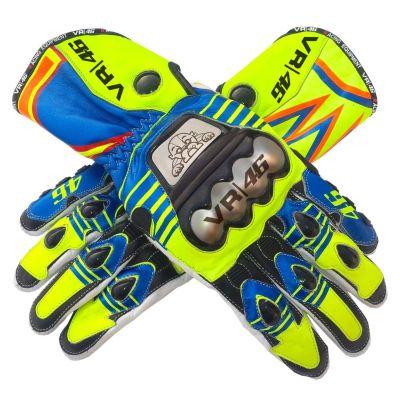
The Repsol Pro motorbike leather gloves carry a racing-inspired design. Details such as knuckle protection, palm reinforcement and lining are listed on the product page. Riders who like MotoGP-themed styling can also compare the , or browse the listing for matching pieces.
Which Riders Need Which Glove
- Sport riders prioritize feel at the throttle and clutch.
- Commuters ride in changing weather and benefit from a glove that is easy to put on and take off.
- Touring riders spend hours in the saddle, so comfort and a secure fit across long days matter.
- New riders should start with a pair that fits properly rather than one that is too large to grow into.
Care Tips for Leather Gloves
- Wipe off dust and sweat after riding, following the care label.
- Let wet gloves dry naturally, away from radiators and direct heat.
- Follow the care label or the maker's instructions; whether and how to condition depends on the leather finish and construction, and any product should be tested on a hidden spot first.
- Check stitching and wear zones regularly and replace a glove that has been in a slide.
Final Thoughts
The range gathers further Leather Collection gloves. Whatever the pair, the same test applies: a glove should fit well, stay on the hand and carry a standard marking that can be checked.
Frequently Asked Questions
What is EN 13594?
EN 13594 is the European standard for protective gloves worn by motorcycle riders. Its tests cover impact abrasion, cut resistance and tear strength, and knuckle impact protection is optional at Level 1 and mandatory at Level 2. A marking is the maker's declaration that the glove meets those requirements.
How should motorcycle gloves fit?
They should be snug across the palm and fingers without pulling when the hand closes round the bar. The fingertips should not fold over, and the wrist closure should hold the glove securely so it cannot be pulled off in a slide.
How are leather riding gloves cleaned?
Follow the care label or the maker's instructions; whether and how to condition depends on the leather finish and construction, and any product should be tested on a hidden spot first. Removing dust and sweat after riding and letting wet gloves dry naturally away from radiators and direct heat are general good practice.
When should riding gloves be replaced?
Replace gloves that have been in a slide, since seams and leather may be weakened even if damage is not obvious. Also replace a pair if stitching has opened, the palm leather has worn thin or the wrist closure no longer holds.
Written by the Leather Collection Editorial Team.